
 First-Time Home Buyer Guidance in York Region
First-Time Home Buyers in York Region
A strong first purchase begins before the property search.
Relationship-first guidance for budgeting, financing preparation, buyer representation, property searches, offers, conditions, closing costs, and community comparison across Aurora, Newmarket, King Township, Oak Ridges, and surrounding York Region communities.
Jonathan Colford | Sales Representative | eXp Realty Brokerage
Buying your first home should feel organized, understandable, and connected to real life.
The challenge is rarely limited to finding a listing. It is understanding affordability, deposits, down payments, closing costs, representation, property condition, neighbourhood fit, and how the purchase may affect your life after closing.
Build the budget around ownership, not only approval.
Consider the mortgage payment together with property taxes, utilities, insurance, maintenance, commuting, savings, and everyday expenses.
Prepare for more than the down payment.
Deposit timing, legal fees, land transfer tax, inspections, moving, setup costs, immediate repairs, and a reserve should be part of the plan.
Choose a home that supports the next chapter.
Condominiums, townhomes, semi-detached homes, and detached properties create different costs, responsibilities, and long-term possibilities.
Compare the lifestyle around the property.
Commute, schools, transportation, recreation, services, neighbourhood character, and future plans can be as important as the home itself.
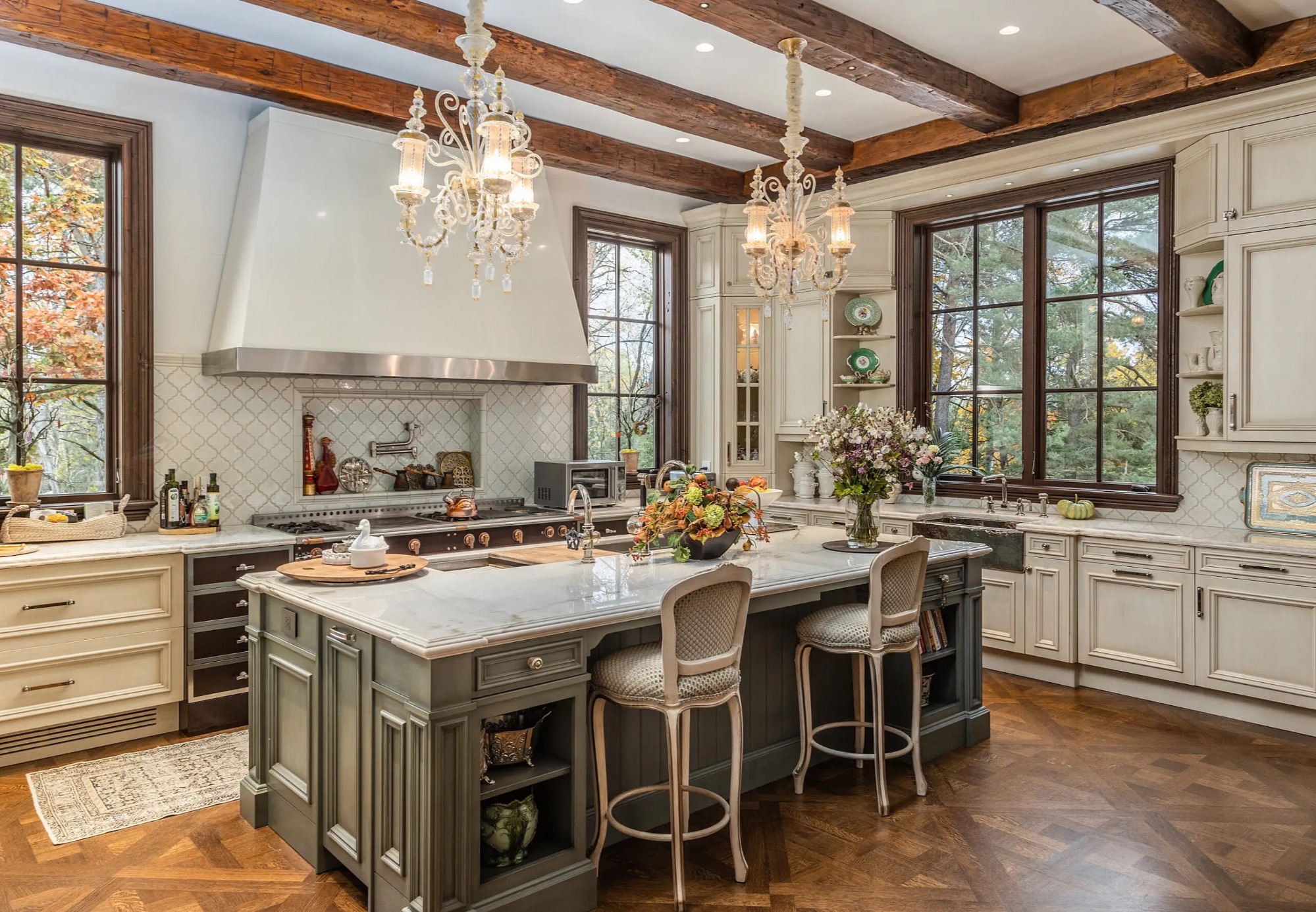
Build the budget around comfortable ownership, not only the maximum approval.
A qualified lender or mortgage professional can explain qualification, documentation, available mortgage products, rates, amortization, mortgage insurance, and how the size and source of the down payment may affect financing.
Under current federal guidance, the minimum down payment is generally 5% for a home priced at $500,000 or less. For a home priced above $500,000 and below $1.5 million, it is generally 5% on the first $500,000 and 10% on the remaining portion. A home priced at $1.5 million or more generally requires at least 20% down.
- Confirm qualification and down-payment requirements directly with a qualified lender or mortgage professional.
- Ask how condominium fees, property taxes, heating costs, debt, and other obligations affect qualification.
- Keep separate funds available for closing costs, moving, setup, repairs, furnishings, and an ownership reserve.
- Review the proposed payment under realistic expense assumptions before setting the final search range.
A calm, structured path from early preparation to receiving the keys.
Every purchase is different, but understanding the sequence can help you prepare for important decisions before they arrive.
Organize your finances
Review income, savings, debt, credit, monthly comfort, expected closing costs, and the money that should remain available after closing.
Speak with a mortgage professional
Discuss qualification, documentation, down-payment sources, estimated payments, mortgage insurance, and possible financing conditions.
Review representation
Understand the RECO Information Guide, representation options, services, responsibilities, remuneration, duration, geography, and agreement terms.
Build the search strategy
Define preferred communities, property types, required features, acceptable trade-offs, timing, and a comfortable price range.
Evaluate and prepare the offer
Review the property, comparable activity, deposit, conditions, closing date, inclusions, exclusions, and overall risk before signing.
Complete conditions and closing
Coordinate with the lender, lawyer, inspector, insurer, condominium reviewer, and other professionals where applicable.
Deposit, down payment, and closing costs serve different purposes.
Understanding the timing and purpose of each amount can reduce surprises when preparing an offer and moving toward closing.
Funds connected to the accepted offer
The offer sets the deposit amount and when it must be delivered. The deposit is normally held in trust and generally becomes part of the buyer contribution on closing.
Your total contribution toward the purchase price
The down payment is the portion of the purchase price paid from buyer funds rather than the mortgage. The deposit generally forms part of this amount.
Costs beyond the purchase price
Plan for land transfer tax after any eligible refund, legal fees, title insurance, inspections, lender costs, adjustments, insurance, moving, utility setup, repairs, and reserves.
Review current programs carefully before relying on them in the purchase plan.
Eligibility, contribution room, qualifying withdrawals, repayment obligations, tax treatment, deadlines, and personal suitability should be confirmed through current official guidance and the appropriate professional.
Tax-assisted saving for a qualifying first home
Current CRA guidance provides $8,000 of FHSA participation room in the first year an account is opened and a $40,000 lifetime contribution limit.
Review CRA FHSA Guidance CRA Home Buyers PlanEligible RRSP withdrawals with repayment requirements
Current CRA guidance allows eligible participants to withdraw up to $60,000 from qualifying RRSPs through the Home Buyers Plan.
Review CRA HBP Guidance Ontario Land Transfer Tax RefundUp to $4,000 for eligible first-time buyers
Eligible first-time homebuyers may receive a refund of all or part of Ontario land transfer tax, up to the current maximum of $4,000.
Review Ontario Eligibility CMHC Mortgage Loan InsuranceFinancing when the down payment is below 20%
Mortgage loan insurance may allow an eligible buyer to purchase with a down payment below 20%, subject to current price limits, underwriting, and qualification requirements.
Review CMHC Information Planning FHSA and HBPBoth may be available for the same qualifying home
CRA guidance indicates that an eligible buyer may use a qualifying FHSA withdrawal and a Home Buyers Plan withdrawal for the same qualifying home when all conditions are met.
Explore Buyer Programs Personal Review Your CircumstancesConfirm how each program fits the plan
A mortgage professional, financial planner, accountant, or lawyer can explain how contribution timing, withdrawals, taxes, and financing may apply to your situation.
Start a Buyer ConversationKnow who represents you and what the agreement says before signing.
Buyer representation should make the relationship clearer. Services, duties, responsibilities, remuneration, geography, property types, duration, and cancellation terms should be reviewed before entering an agreement.
Review the RECO Information Guide
Understand client relationships, self-representation, multiple representation, duties, and information Ontario buyers should know before receiving services or assistance.
Understand the representation agreement
Review the services, area, property types, length of the agreement, remuneration, responsibilities, holdover provisions, and cancellation terms.
Prepare the offer around the property
Price, deposit, conditions, closing date, inclusions, exclusions, title questions, and other terms should reflect the property and buyer circumstances.
A suitable home needs to work on closing day and after the excitement settles.
Price and appearance are only part of the decision. Property type, condition, layout, maintenance, condominium status, future repair needs, neighbourhood fit, resale considerations, and ownership costs all deserve attention.
The offer strategy should reflect the property, available information, comparable activity, buyer priorities, financing, and the level of protection required.
- Review the property history, disclosures, inclusions, exclusions, and available documents.
- Consider inspection, financing, condominium review, insurance, title, and other conditions where appropriate.
- Compare ongoing costs, maintenance responsibilities, and likely near-term work.
- Discuss competitive strategy without treating any price or outcome as guaranteed.

Compare lifestyle and ownership options, not only asking prices.
Housing supply, property types, commuting, services, schools, recreation, and long-term flexibility can create different trade-offs from one community to another.
Aurora
Established neighbourhoods, condominium and freehold options, parks, shopping, recreation, and commuter access.
Newmarket
Neighbourhood variety, Main Street, Fairy Lake, healthcare, recreation, shopping, transit, and daily convenience.
King Township
Village and rural settings, larger properties, privacy, commuting considerations, and more limited entry-level supply.
Oak Ridges
Lake Wilcox, trails, family neighbourhoods, townhomes, detached homes, nature, and Richmond Hill access.
Common questions before buying a first home in York Region.
These answers are general. Financing, legal, tax, program, property, school, insurance, and market information should be confirmed through official sources and appropriate professionals.
How much do I need for a down payment?
The amount depends on the purchase price, mortgage structure, lender requirements, and the property. Under current federal guidance, the minimum generally begins at 5%, with higher requirements applying to the portion above $500,000 and to homes priced at $1.5 million or more.
Can first-time buyers use both the FHSA and the Home Buyers Plan?
CRA guidance indicates that an eligible buyer may make a qualifying FHSA withdrawal and a Home Buyers Plan withdrawal for the same qualifying home when all conditions for both programs are met.
What is the difference between a deposit and a down payment?
The deposit is the amount and timing written into the offer and is normally delivered after acceptance. The down payment is the buyer contribution toward the purchase price. The deposit generally becomes part of the down payment on closing.
What should I do before I start viewing homes?
Start by reviewing your finances, speaking with a mortgage professional, setting a comfortable monthly budget, estimating closing costs, learning about representation, and identifying preferred communities and property types.
Do I need to understand a buyer representation agreement before signing?
Yes. Review the services and duties, geographic area, property types, duration, remuneration, responsibilities, holdover provisions, and cancellation terms before signing.
Should my offer include conditions?
The appropriate conditions depend on the property, financing, available documents, market circumstances, and buyer risk tolerance. Financing, inspection, condominium review, insurance, sale-of-property, or other conditions may be considered where relevant.
Can a pre-approval guarantee that my mortgage will be funded?
No. Final financing may still depend on lender review, updated documents, the property, an appraisal where required, and the final terms of the transaction. Financing should be confirmed directly with the lender or mortgage professional.
How do I compare Aurora, Newmarket, King Township, and Oak Ridges?
Compare budget, property type, commuting, schools, services, recreation, neighbourhood character, maintenance expectations, and long-term plans. The strongest fit is the combination that supports your real life.
Use current, primary information when preparing to buy.
These resources provide consumer, financing, program, and representation information. They do not replace personalized mortgage, legal, tax, insurance, inspection, or financial advice.
Federal Down-Payment Guidance
Review current minimum down-payment requirements and general mortgage information from the Financial Consumer Agency of Canada.
Review Down PaymentsRECO Information Guide
Review the Ontario guide covering representation, responsibilities, multiple representation, and self-represented parties.
Open the RECO GuideRepresentation Agreements
Review official information about signing a contract with an Ontario real estate brokerage and understanding its terms.
Review Contract InformationCMHC Mortgage Insurance
Review mortgage loan insurance, qualification considerations, premiums, and consumer information directly from CMHC.
Review CMHC Guidance
Jonathan Colford Homes & Estates
Your first purchase should feel informed, organized, and personal.
Jonathan Colford, Sales Representative with eXp Realty Brokerage, works with York Region buyers who want clear explanations, practical local context, thoughtful preparation, and consistent communication.
Whether you are beginning to save, speaking with a mortgage professional, comparing communities, reviewing representation, or ready to search, the goal is to help you understand the next step without unnecessary pressure.
- Jonathan Colford | Sales Representative | eXp Realty Brokerage
- Phone: 647-823-6092
- Email: jonathan.colford@exprealty.com
- Website: jonathancolfordhomes.com
Thinking about buying your first home in York Region?
Start with a conversation about your timing, financial preparation, preferred communities, property needs, and the questions you want answered before beginning the search.
Ask a Question