Buying Equestrian & Rural Estate Homes in King Township


Buying Equestrian & Rural Estate Homes in King Township: What Luxury Buyers Should Verify First
King Township’s rural and equestrian appeal is one of its strongest luxury advantages, but land, privacy, outbuildings, wells, septic systems, zoning, access, and permitted use all deserve careful review before a buyer falls in love with the setting.
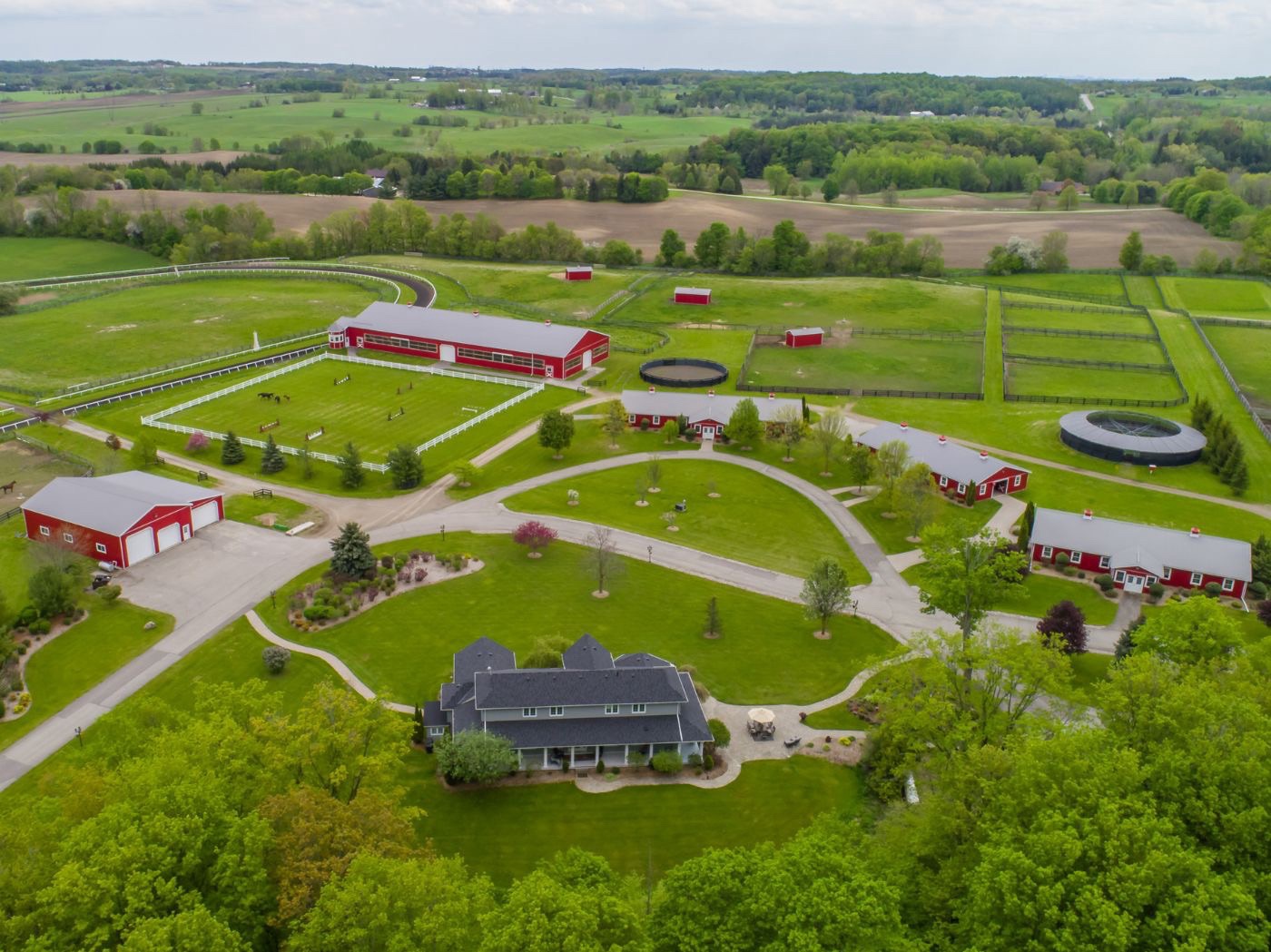
In King Township, the land can be as important as the home
Buying a rural estate or equestrian-style property in King Township is different from buying a typical subdivision home. The house matters, but the land, services, permitted uses, privacy, maintenance, insurance, access, and long-term lifestyle fit can matter just as much.
This is especially important for buyers exploring King Township equestrian and rural estate homes, King City luxury real estate, Nobleton luxury real estate, and Schomberg country living. Two properties may look similar online, but their zoning, servicing, land utility, building history, maintenance expectations, and future flexibility can be very different.
Land utility
Lot size does not always equal usable land. Slopes, setbacks, conservation areas, trees, drainage, fencing, road access, and outbuilding placement can change what the property can actually support.
Permitted use
Buyers should confirm whether intended uses such as horses, barns, paddocks, accessory structures, workshops, home business use, or future additions are permitted.
Ownership rhythm
Rural estate living can mean snow removal, gates, wells, septic systems, long driveways, barns, paddocks, landscaping, tree care, fencing, and more involved seasonal maintenance.
This article is general information only and is not legal, zoning, planning, environmental, engineering, tax, mortgage, insurance, school-boundary, construction, agricultural, or investment advice.
A practical due-diligence guide for King Township rural and equestrian buyers
Use this as a starting point before comparing rural estate, acreage, equestrian, and countryside luxury properties in King Township.
- Zoning and permitted use
- Wells, septic systems, and property services
- Land, outbuildings, barns, and accessory structures
- Equestrian lifestyle considerations
- Maintenance, access, insurance, and long-term fit
- Offer conditions and professional due diligence
- How sellers should position rural estate properties
- Frequently asked questions
Zoning and permitted use should be reviewed early
In King Township, zoning can influence how land may be used, where buildings and structures can be located, and what may or may not be permitted on a property. This matters for buyers considering horses, barns, riding areas, accessory buildings, workshops, home-based uses, future additions, or changes to the property.
Before assuming a property can support a specific lifestyle, buyers should confirm the zoning and permitted use directly with the Township of King or through qualified professionals.
Confirm the zoning
Ask what the property’s zoning is and what that zoning allows. Do not rely only on listing remarks or assumptions based on the surrounding properties.
Review existing structures
Ask whether barns, garages, additions, decks, pools, arenas, sheds, or outbuildings were built with permits and whether records are available.
Check intended future use
If the buyer wants horses, boarding, lessons, workshops, accessory buildings, or future additions, that use should be reviewed before the offer becomes firm.
Understand planning context
Some properties may involve rural, agricultural, conservation, environmental, or Oak Ridges Moraine-related considerations that affect future flexibility.

Wells, septic systems, and services need careful review
Some rural and estate-style properties may involve private wells, septic systems, propane, generators, longer driveways, drainage systems, water treatment, and other services that are not always part of a standard suburban purchase.
These systems can be manageable, but they should be understood before the buyer removes conditions or commits to a firm purchase.
Water and well review
Confirm available well records, water quality, flow, treatment systems, filtration, maintenance history, and whether the water supply supports the intended household or property use.
Septic system review
Review age, location, design, service records, capacity, inspections, permits, and future replacement considerations where applicable.
Utilities and heating
Confirm fuel source, equipment age, backup systems, generator needs, utility costs, propane arrangements, water treatment, and seasonal maintenance requirements.
Records and reports
Ask what permit, inspection, survey, site plan, maintenance, and property records are available before relying on the seller’s verbal history.
A beautiful home can still become a complicated purchase if the well, septic, servicing, access, or records are not understood before conditions are removed.
Land, outbuildings, barns, and accessory structures are not just visual features
A beautiful barn, gate, detached garage, cabana, workshop, paddock, arena, or accessory building may add lifestyle appeal, but buyers should confirm whether each structure is permitted, functional, insurable, and suitable for the intended use.
Structure history
Ask whether additions, barns, garages, decks, pools, gates, sheds, arenas, or outbuildings were built with permits and whether records are available.
Usable land
Review setbacks, grading, drainage, fencing, tree coverage, conservation limits, slopes, driveway placement, and how much land is actually practical to use.
Future flexibility
Confirm whether future additions, accessory buildings, equestrian improvements, or site changes are realistic before relying on them.
Lot size is only one part of the story.
In rural luxury real estate, buyers should understand what the land can actually do, what the property legally supports, and what future maintenance will require.
What to verify before buying an equestrian-style property in King Township
King Township has a recognized equine identity, but buyers should still verify property-specific details before assuming a home can support horses, boarding, lessons, breeding, training, or other equestrian-related use.
Is the intended horse use permitted?
Confirm whether the buyer’s intended use is permitted under the property’s zoning and any applicable planning or conservation rules.
Are barns and structures documented?
Review permits, inspections, structure age, safety, electrical, water access, drainage, and whether existing uses are lawful.
Is the land practical for horses?
Consider acreage, pasture quality, fencing, paddocks, shelter, laneways, footing, manure management, drainage, and seasonal use.
What are the operating costs?
Equestrian properties may require fencing, hay or feed access, equipment, maintenance, insurance, snow clearing, repairs, and professional support.
Does the location support the lifestyle?
Evaluate trailer access, road conditions, nearby services, veterinary access, feed suppliers, commute routes, and daily routine fit.
Can the buyer operate responsibly?
The dream property still needs to work legally, practically, financially, and operationally for the buyer’s intended lifestyle.
Maintenance, access, insurance, and long-term fit matter
Rural estate ownership can be incredibly rewarding, but it also comes with a different rhythm of responsibility. Buyers should think through how the property will function in all four seasons, not just how it presents during a showing.
Driveways and access
Long driveways, gates, rural roads, snow removal, drainage, emergency access, trailer access, and delivery access can all affect ownership experience.
Insurance and financing
Rural properties, outbuildings, pools, barns, older systems, wood-burning appliances, or unusual uses may require additional review by lenders and insurers.
Ongoing maintenance
Consider landscaping, tree care, fencing, wells, septic systems, barns, pools, equipment, rooflines, gravel, lighting, and seasonal upkeep.
Future resale fit
Think about how future buyers may view the property’s privacy, access, condition, services, maintenance burden, and location.
Buyers should work with the right professionals, including a lawyer, home inspector, septic specialist, well/water professional, planner, insurer, lender, accountant, and any property-specific experts needed for the intended use.
Rural estate buyers should build due diligence into the buying process
When a property includes acreage, wells, septic, outbuildings, barns, ponds, long driveways, rural zoning, conservation considerations, or intended equestrian use, the offer strategy should be carefully discussed before acting.
The right conditions and review periods depend on the property, market conditions, seller expectations, and buyer risk comfort. Some buyers may need additional inspections or professional opinions before they can confidently proceed.
Legal review
A real estate lawyer can help review title, easements, restrictions, agreements, survey matters, permits, and other property-specific risks.
Planning and zoning review
Planning and zoning questions should be verified with the Township of King or a qualified planning professional before relying on future use.
Inspection strategy
Rural purchases may require more than a standard home inspection, depending on well, septic, barns, outbuildings, drainage, pools, or mechanical systems.
Cost review
Buyers should understand repair exposure, insurance, fuel, utilities, snow removal, groundskeeping, equipment, and ongoing maintenance before closing.
How sellers should position a King Township rural estate or equestrian property
Rural estate marketing should not rely only on beautiful photography. The strongest presentation explains the lifestyle, the utility of the land, the privacy, the improvements, the documentation, and the buyer profile the property is most likely to attract.
Lead with setting
Highlight driveway approach, privacy, views, mature trees, landscaping, outdoor living, barns, paddocks, and the sense of arrival.
Explain land utility
Help buyers understand paddocks, barns, outbuildings, acreage, access, outdoor use, servicing, and what makes the property functional.
Prepare documentation
Where available, organize surveys, permits, septic records, well records, upgrades, maintenance history, utility details, and property information early.
Explore more King Township and York Region guidance
These pages can help buyers and sellers compare community fit, property type, land needs, rural due diligence, and luxury positioning across King Township.
Frequently asked questions
What should buyers verify before buying a rural estate home in King Township?
Buyers should verify zoning, permitted uses, property services, wells, septic systems, permits, outbuildings, conservation or planning constraints, insurance, financing, maintenance expectations, access, and long-term lifestyle fit.
Can every rural property in King Township support horses?
No. Buyers should not assume horse use is permitted just because a property appears rural or has land. Intended equestrian use should be verified with the Township of King and appropriate professionals before purchase.
Why does zoning matter for estate properties?
Zoning can affect permitted uses, building location, structure height, lot coverage, accessory buildings, home-based uses, agricultural uses, and future improvements. Buyers should verify property-specific zoning before relying on future plans.
Are wells and septic systems a problem?
Wells and septic systems are not automatically a problem, but they require proper review. Buyers should understand age, condition, records, inspections, maintenance history, capacity, water quality, and replacement considerations where applicable.
Should a buyer get extra inspections for a rural estate property?
Often, yes. Depending on the property, buyers may need a home inspection, septic inspection, well or water review, pool inspection, barn or outbuilding review, drainage review, or other professional advice before removing conditions.
How should sellers market a King Township rural estate property?
Sellers should present the home, land, privacy, access, outbuildings, lifestyle utility, documentation, and buyer profile clearly. Strong rural estate marketing should explain the property’s setting and practical value, not only show attractive photos.

Written by Jonathan Colford
Jonathan Colford | King Township Real Estate Sales Representative | eXp Realty Brokerage
Jonathan Colford is a Sales Representative with eXp Realty Brokerage and the founder of Jonathan Colford Homes & Estates. His real estate content focuses on York Region luxury communities, buyer education, seller strategy, lifestyle fit, and locally grounded market guidance.
Jonathan works with buyers and sellers across King Township, Aurora, Newmarket, Oak Ridges, and surrounding York Region communities.
Considering an equestrian or rural estate property in King Township?
A private conversation can help narrow the search around lifestyle, land needs, intended use, privacy, commute, maintenance comfort, offer strategy, and the right property due diligence before you start comparing estate homes.
Sources used for local context
The local references below are included for general community and due-diligence context. Buyers and sellers should verify property-specific, legal, zoning, environmental, tax, financing, planning, servicing, school, insurance, construction, and permitted-use details through the appropriate official source or qualified professional.
- Township of King, Equine Sector
- Township of King, Official Plan
- Township of King, Zoning By-laws
- Township of King, Zoning
- Township of King, Building Permit Applications
- Township of King, On-Site Sewage System Building Permit Application
- Township of King, Documents and Property Requests
- Township of King, Maps
- York Region District School Board, School Locator
- York Catholic District School Board, School Locator
Jonathan Colford Homes & Estates
Jonathan Colford | Sales Representative | eXp Realty Brokerage.
Refined York Region real estate guidance for buyers and sellers who value clarity, local knowledge, lifestyle fit, discretion, and professional strategy.
Email: jonathan.colford@exprealty.com | Phone: 647-823-6092
Categories
- All Blogs (92)
- 2026 Real Estate Guide (4)
- Aurora Real Estate (6)
- Buyer Education (1)
- Buyer Guide (47)
- Community Guides (35)
- First Time Home Buyers (6)
- Home Buyers Guide (1)
- Homeowner Education (4)
- King Township Real Estate (5)
- Lifestyle and Community (3)
- Luxury Real Estate (20)
- Market Insights (16)
- Market Updates (3)
- Newmarket Real Estate (9)
- Oak Ridges Real Estate (3)
- Planning & Development (1)
- Seller Guide (33)
- TRREB Market Report (2)
- York Region Luxury Real Estate (1)
- York Region Real Estate (50)
Recent Posts